Urgent garden tidy Shoreditch after storm same day gardeners
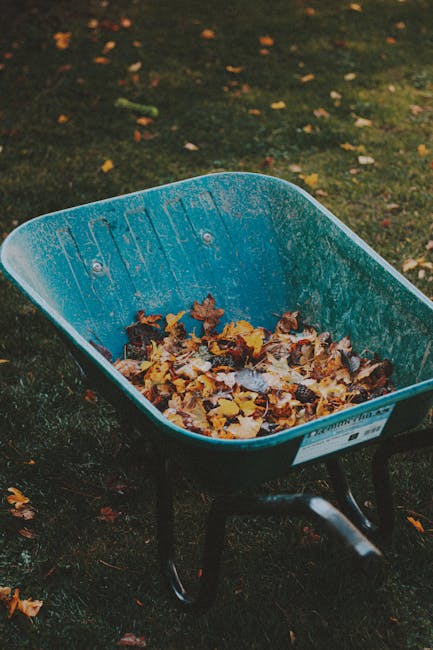
Storms have a way of making a garden look twice its size and half as manageable. One minute it is a decent outdoor space; the next, there are snapped branches, soggy leaves, scattered pots, bent stems, and a path you would rather not walk across in the dark. If you need urgent garden tidy Shoreditch after storm same day gardeners, you are usually not looking for a full redesign. You want a fast reset: safe, clear, presentable, and back under control before the mess spreads any further.
This guide explains what same-day storm tidy-up work really involves, when it makes sense, what a good team should do, and how to avoid turning a quick clean-up into a bigger problem. It is written for real situations, not the ideal version where the wind politely waits until Monday. Let's get into it.
Why Urgent garden tidy Shoreditch after storm same day gardeners Matters
After a storm, a garden is not just untidy. It can become awkward to use, risky to cross, and difficult to bring back to normal if you leave it for a few days. In Shoreditch, where many gardens are compact, enclosed, or shared between homes and commercial spaces, the impact tends to feel immediate. A fallen branch across a narrow passage or a pile of wet debris near a rear gate can block access fast.
What catches people out is that storm damage is rarely neat. Leaves cling to fencing, soil splashes onto paving, containers tip over, and smaller twigs hide under bigger debris. It looks minor from the kitchen window, then you step outside and realise the whole space has been churned up. To be fair, that is exactly when a same-day gardener earns their keep.
There is also the simple matter of preventing extra damage. Wet organic waste left sitting on grass can flatten it, while broken stems and hanging branches can make the rest of a planting bed vulnerable. Even a quick tidy can stop a problem from getting worse.
For broader ongoing care, it often helps to think beyond the emergency visit. A one-off visit deals with the mess; a regular schedule keeps things from getting back to that state. If that is on your mind, the team's garden maintenance service is the natural follow-up once the immediate damage is under control.
Expert summary: A proper post-storm tidy is about safety, access, and damage control first. Appearance matters too, of course, but the priority is to make the space stable, usable, and easier to maintain afterwards.
How Urgent garden tidy Shoreditch after storm same day gardeners Works
Same-day storm tidy work is usually straightforward in principle, though the actual day can be a bit messy. A gardener normally starts with a quick assessment of what needs removing, what can be saved, and whether any damage looks structural rather than cosmetic. Then comes the clean-up in a sensible order: clear the hazardous items first, then the loose debris, then the finer finishing work.
In practice, that often means:
- picking up fallen branches, twigs, and scattered foliage
- removing windblown rubbish, plant pots, and broken containers
- cutting back torn stems or damaged growth where appropriate
- raking and collecting debris from lawns, borders, and hard surfaces
- checking paths, steps, and access points for slip hazards
- bagging and loading waste for removal
Good same-day work is not about rushing blindly. It is about sequencing. You do not want to start with the prettiest border when the driveway is covered in slippery leaves. You want the obvious dangers gone first. Then the rest becomes manageable.
For gardens with heavier damage, a clean-up may overlap with a more substantial garden clearance. That is especially relevant if the storm has exposed long-unmanaged growth, buried clutter, or a lot of loose material that needs removing in one go. If there are trees involved and something looks unstable, a specialist service may be the safer route, which is where tree lopping and removal can come into the conversation.
It is worth saying plainly: a same-day visit is often about triage. Not every plant can be restored on the spot, and not every broken branch should be cut immediately if there is a risk of making the wound worse. A sensible gardener will say so. That kind of honesty is a good sign, not a bad one.
Key Benefits and Practical Advantages
The biggest benefit is obvious: you get your space back quickly. But there are several smaller wins that matter just as much, especially after bad weather.
- Safer access: paths, steps, and entrances become easier to use.
- Less secondary damage: damaged material is removed before it spreads rot, mould, or further breakage.
- Better first impression: useful if you are renting, hosting, selling, or meeting clients in a rear garden.
- Less stress: the visual chaos is reduced, which sounds small until you are staring at it every time you open the blinds.
- More effective follow-up care: once the storm debris is gone, pruning, mowing, or border recovery becomes much easier.
There is also a practical financial angle. In some cases, a prompt tidy-up can help avoid larger remedial work later. A waterlogged lawn that is cleared properly is one thing. A lawn left under wet debris for a week is another. Truth be told, gardens are forgiving, but not endlessly so.
If the storm has also revealed neglected edges, overgrown hedging, or patchy lawn areas, it may be worth pairing the emergency tidy with a bit of structured maintenance. Services like hedge trimming and lawn mowing can help bring the garden back to a balanced state rather than just a cleared one.
Who This Is For and When It Makes Sense
This kind of service is useful for all sorts of people, and not just homeowners with a classic London back garden. In Shoreditch, the need often shows up in small but awkward places: shared courtyards, rented flats with outdoor space, office terraces, cafe gardens, managed communal areas, and compact family gardens squeezed between boundaries.
It makes sense if:
- branches or heavy debris are blocking access
- the garden is slippery, unsafe, or visually chaotic after wind and rain
- you need the space presentable for guests, tenants, customers, or an event
- you do not have the time, tools, or physical capacity to clear it yourself
- the storm has caused enough damage that DIY would be slow or risky
Some people assume they should always wait until the weekend and do it themselves. Sometimes that is fine. Sometimes it is not. If there are sharp broken stems, unstable limbs, soaked surfaces, or heavy sacks of waste, waiting can be the less sensible option. That is not dramatic; it is just common sense.
For customers who want more than a one-off rescue, it can be helpful to look at the wider service picture via the services overview. It makes it easier to see whether a tidy-up, maintenance plan, or larger landscape repair is the better fit.
Step-by-Step Guidance
If you are arranging an urgent tidy after a storm, a simple process keeps everything calmer. You do not need a perfect plan. You need a practical one.
- Do a quick safety scan. Check for hanging branches, damaged fencing, exposed glass, loose paving, or anything that could cause injury.
- Take a few photos. Handy if you need to explain access issues, damaged areas, or waste volumes before the visit.
- Separate urgent hazards from general mess. Broken tree limbs and blocked entrances come first. Decorative tidying can follow.
- Tell the gardener what matters most. Maybe it is the rear entrance, maybe the lawn, maybe the space where bins need to go. Be specific.
- Clear access routes if you can do so safely. Moving one chair is fine. Dragging a fallen branch with sore shoulders, maybe not.
- Ask what waste will be removed. Some jobs are mostly debris collection; others may need heavier disposal arrangements.
- Walk the space after the tidy. Check for remaining hazards, missed corners, and anything that may need a follow-up visit.
A useful rule: if it looks like the gardener is spending too long on one small area while the unsafe parts are still untouched, ask why. A competent team should be happy to explain the order of work.
Expert Tips for Better Results
The best results tend to come from clear priorities and a little local realism. After a storm, gardens in built-up areas often hold moisture longer than you expect, especially where walls, fences, and narrow side returns reduce airflow. So drying time matters. A space that feels "almost fine" at noon can still be slick at four o'clock.
A few useful tips:
- Prioritise entry points. Make the front or back access safe before chasing perfection in borders.
- Be honest about what you need. If the goal is "safe enough for tomorrow morning," say that plainly.
- Protect healthy growth. A good tidy removes damage without hacking back everything in sight. There is a difference.
- Ask for waste removal details. Wet green waste is heavier than it looks. The pile always looks innocent until you lift it.
- Think beyond the storm. If the same corner clogs every time, maybe drainage, planting density, or layout needs attention later.
One small but useful observation: people often focus on the lawn because it is the most visible surface, yet the real trouble is usually at the edges. Soggy beds, blocked drains, and smashed stems near fence lines are where problems linger.
If your garden has raised features, timber surfaces, or seating areas that have taken a hit from the weather, it may also be sensible to look at decking services once the immediate tidy is finished. Wet debris left on timber for long enough can create staining and slipperiness that nobody enjoys.
Common Mistakes to Avoid
Most post-storm clean-ups go better when people avoid a few very common traps. The first is trying to do too much too quickly. That is how people strain backs, trip on hidden debris, or cut into branches that should have been assessed first.
- Don't assume everything is safe to cut. Hanging branches and split stems can behave unpredictably.
- Don't drag wet waste blindly. Hidden thorns, broken glass, and sharp sticks are easy to miss.
- Don't leave soaked debris in piles. It compacts quickly and becomes harder to move later.
- Don't ignore access hazards. A tidy-looking border is no use if the path is still a slip risk.
- Don't treat every problem as a mowing job. Storm damage is different from routine maintenance.
Another mistake is booking a generic garden visit when the garden actually needs clearance, pruning, or tree work. The wrong service can still help a bit, but it will not solve the main issue. It is a bit like bringing a teaspoon to a bucket job. Technically useful, not exactly ideal.
Tools, Resources and Recommendations
You do not need a van full of specialist kit to understand what a good team will use, but it helps to know the basics. For urgent storm tidy work, the essentials usually include sturdy gloves, secateurs, loppers, rakes, leaf collectors, waste sacks, tarps, and, for heavier jobs, cutting and lifting equipment appropriate to the task.
For homeowners or site managers preparing the space before the gardeners arrive, the most useful resources are surprisingly simple:
- a clear access route to the garden
- a place to park or unload, if available
- notes about where the worst damage is
- information on any fragile surfaces, shared access, or locked gates
- a realistic idea of what you want restored today versus later
It is also sensible to choose a company that is upfront about safety and waste handling. Pages such as health and safety policy, insurance and safety, and payment and security are worth reviewing because they help you understand how a provider works before they step into your garden.
For people who care about waste handling, recycling and sustainability is another useful page to look at. After a storm, there can be a surprising amount of organic waste, and it is reassuring to know it will be managed thoughtfully rather than dumped into a vague pile of "garden stuff".
Law, Compliance, Standards, or Best Practice
After storm damage, the most important compliance point is basic safety. If branches are unstable, surfaces are slippery, or there is any risk of falling material, the clean-up should be approached with caution. In the UK, garden work is expected to follow sensible health and safety practice, especially where tools, ladders, heavy lifting, or shared access are involved.
You do not need to turn a tidy-up into a legal seminar, thankfully. But it does help to know a few common expectations:
- Risk awareness: identify hazards before cutting or lifting.
- Safe access: keep paths, gates, and exits clear where possible.
- Appropriate equipment: use tools suited to the job, not whatever happens to be in the shed.
- Waste management: remove green waste responsibly and in line with normal local practice.
- Insurance and competence: especially important for larger jobs involving trees, heights, or damage-prone features.
For tree-related damage, caution matters even more. A cracked limb can shift unexpectedly. So while it can be tempting to "just saw a bit off," that is not always the sensible move. Best practice is to assess first, then act carefully. That goes for awkward spaces in Shoreditch too, where access can be tight and a simple job can become fiddly in a hurry.
Options, Methods, or Comparison Table
Not every storm-damaged garden needs the same response. Sometimes a quick tidy is enough. Sometimes it needs clearance. Sometimes it needs ongoing maintenance after the mess is gone. Here is a practical way to compare the options.
| Approach | Best for | What it usually includes | Main limitation |
|---|---|---|---|
| Same-day tidy-up | Immediate mess, access issues, visible storm debris | Debris removal, raking, basic cutting back, surface clearing | May not address deeper garden problems |
| Garden clearance | Heavier accumulation, clutter, mixed waste, larger clean-outs | Bulk removal, sorting, loading, clearing difficult areas | Can be more intensive than a simple tidy |
| Ongoing maintenance | Preventing repeat build-up and keeping the space manageable | Regular mowing, pruning, border care, seasonal upkeep | Does not solve an urgent mess instantly |
| Tree work | Broken limbs, unstable trees, overhanging hazards | Assessment, cutting, reduction, removal where needed | Usually more specialist and may need extra caution |
If you are unsure which route fits, ask what the main objective is today. A safe entrance? A presentable garden for guests? A full reset after damage? Once that is clear, the right service tends to reveal itself pretty quickly.
Case Study or Real-World Example
Here is a realistic example from the kind of work that comes up after a rough night of wind and rain. A small courtyard garden behind a Shoreditch property had lost several branches from a medium-sized tree, with wet leaves covering the paving and a few pots overturned near the rear door. The owner did not need a redesign. They needed the space safe for deliveries and visitors the same afternoon.
The tidy-up focused on access first. The broken branches were removed, the path cleared, the pots stood back upright, and the damp debris was collected from the corners where it had blown and stuck. The tree itself was left with only sensible, minimal cutting where appropriate, because there was no point guessing at damage that needed a proper look. A follow-up visit was suggested for pruning and ongoing care. Simple, honest, done.
What made the difference was not drama; it was order. The owner could open the back door without hesitation. The surface was no longer slippery. And, importantly, the space looked like a garden again rather than a weather report.
Practical Checklist
Use this checklist before or during an urgent tidy-up visit. It keeps the whole thing focused.
- Check for hanging branches or unstable limbs
- Make sure the main access route is clear
- Remove obvious trip hazards first
- Ask the gardener what will be cut, cleared, or left in place
- Confirm whether waste will be taken away
- Identify any fragile surfaces, fences, or decking
- Flag any shared access or neighbour concerns
- Decide what must be finished today versus what can wait
- Walk the space at the end and check corners, edges, and entry points
- Book follow-up maintenance if the storm exposed recurring issues
If you want the garden to stay easier to manage after the emergency visit, a regular plan is often worthwhile. A tidy-up is the reset; maintenance is what keeps it from sliding back.
Conclusion
When a storm hits, the garden often shows it first. Leaves gather in the wrong places, branches snap, and suddenly the outside space becomes another thing on the to-do list. A well-handled urgent garden tidy Shoreditch after storm same day gardeners service gives you back control quickly, with less stress and less risk than trying to improvise everything yourself.
The main thing is to act with a clear order of priorities: make it safe, clear the access, remove the damage, and then decide what needs proper follow-up. That is how a messy afternoon becomes a manageable one.
If your garden has taken a beating and you want it sorted without faffing about, the best next step is to speak to a local team that understands urgent clean-ups, storm debris, and the practical realities of working in busy London spaces.
Get a free quote today and see how much you can save.
Frequently Asked Questions
Can same-day gardeners in Shoreditch really handle storm damage quickly?
Yes, if the job is mainly about clearing debris, restoring access, and removing obvious hazards. The important bit is being clear about the scale of the damage when you enquire, because a small tidy and a larger clearance are not the same thing.
What should I do before the gardeners arrive after a storm?
If it is safe, take a quick look for hanging branches, broken glass, or slippery access points. Then note the worst areas and keep the route to the garden open. No need to overdo it. Safety first, always.
Is a storm tidy the same as garden clearance?
Not quite. A storm tidy usually focuses on urgent debris, hazards, and surface-level recovery. Garden clearance is broader and may involve more waste, heavier removal, or overgrown areas that need a more complete reset.
Can gardeners remove fallen branches from trees?
Often yes, but it depends on the size, location, and stability of the branches. If anything looks dangerous or high up, a more specialist tree service may be safer. Better to be cautious than clever.
How long does an urgent garden tidy usually take?
It depends on the size of the garden and how much damage the storm caused. A small courtyard might be sorted fairly quickly, while a larger or heavily cluttered garden may need much longer. Wet weather always makes the job feel a bit bigger too.
What if my garden has decking or hard surfaces that are slippery?
That should be mentioned straight away. Wet leaves, mud, and broken debris can make decking and paving hazardous. Clearing those surfaces early is usually a priority, and it can help prevent staining or accidental slips.
Will same-day gardeners tidy borders and beds too?
Usually yes, but the scope depends on the visit. The focus is normally on clearing storm damage and making the garden safe first. Border detailing may happen if time allows, or be booked as a follow-up.
Do I need maintenance after the urgent tidy is done?
Often it helps. A one-off tidy fixes the immediate problem, but ongoing maintenance keeps growth controlled and reduces the chance of the garden becoming chaotic again after the next bad spell of weather.
How do I know if I need tree work rather than a general tidy?
If branches are split, hanging awkwardly, or touching roofs, fences, or neighbouring properties, tree work may be the better option. General tidying is fine for surface debris, but unstable trees need more careful attention.
Is it worth booking a same-day visit if the garden just looks messy?
If the mess is mainly cosmetic, you might be fine waiting a day or two. But if there are blocked paths, slippery surfaces, or damaged growth, same-day help can save time and prevent the problem from getting worse.
What makes a good urgent gardener in Shoreditch?
Clear communication, realistic timing, sensible safety practices, and an honest assessment of what can be done on the day. A good team will not oversell it. They will tell you what needs immediate attention and what can wait.
Can a storm tidy help prepare a garden for guests or tenants?
Absolutely. That is one of the most common reasons people book it. If you need the space looking presentable quickly, a focused tidy can make a huge difference without turning into a full landscaping project.
If you are weighing up the next step, start with the immediate hazard, then build from there. That approach is simple, sensible, and usually leaves you with a much calmer garden by the end of the day.