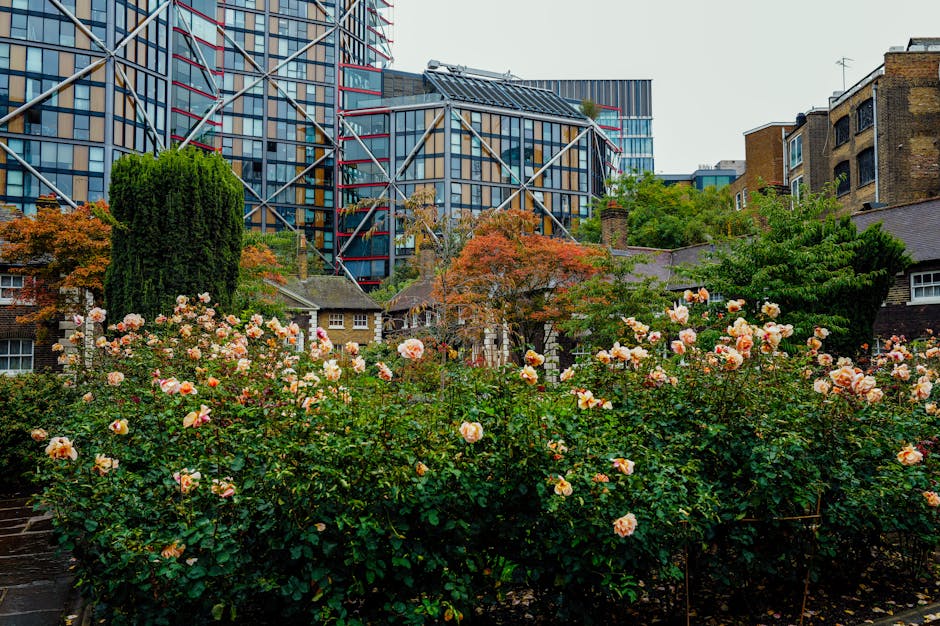
Gardener costs in Shoreditch EC2A explained
If you are trying to make sense of gardener costs in Shoreditch EC2A explained, you are probably doing one of two things: planning a one-off tidy-up, or trying to work out what regular garden maintenance should realistically cost in a busy part of East London. Fair enough. Prices can feel a bit vague at first, especially when every garden seems to have its own personality - tiny courtyard, roof terrace, shared patio, or a leafy space that somehow grows faster than you can keep up with.
This guide breaks the topic down in plain English. You will see what affects pricing, how gardeners usually structure quotes, where extra costs can creep in, and how to compare services without getting lost in jargon. We will also look at the kind of jobs that suit different budgets, what good value actually looks like, and how to avoid the classic mistake of comparing only the headline number. Because, let's face it, the cheapest quote is not always the cheapest outcome.
For readers who want to compare service options alongside pricing, the services overview and pricing and quotes pages are useful places to start. They help frame what is included before you even ask for a quote.
Table of Contents
- Why gardener costs in Shoreditch EC2A matter
- How gardener pricing usually works
- Key benefits and practical advantages
- Who this is for and when it makes sense
- Step-by-step guidance to compare quotes
- Expert tips for better results
- Common mistakes to avoid
- Tools, resources and recommendations
- Law, compliance, standards and best practice
- Options, methods and comparison table
- Case study or real-world example
- Practical checklist
- Conclusion
- Frequently asked questions
Why gardener costs in Shoreditch EC2A explained Matters
Pricing matters because gardening in Shoreditch is rarely a simple, one-size-fits-all job. EC2A properties can range from compact courtyard gardens to larger communal spaces, often with awkward access, limited storage, or a need to work around neighbours and busy schedules. That changes the time, equipment, and labour needed.
It also matters because garden work is easy to under-specify. A request for "general tidy-up" might mean leaf clearance, hedge trimming, border weeding, lawn care, and waste removal all at once. If you do not separate those tasks in your mind, the quote can look low at first, then rise once the full scope becomes clear.
There is also a practical trust element. A clear gardener cost breakdown tells you whether you are paying for basic labour only, or for a more complete service with disposal, specialist tools, and follow-up maintenance. That is the difference between thinking you have found a bargain and knowing what you are actually buying.
Expert summary: In Shoreditch EC2A, the best gardening quotes are the ones that explain scope clearly, not just the ones with the lowest number at the bottom. Transparent pricing saves time, reduces disputes, and makes regular upkeep much easier to plan.
If you want a provider that is straightforward about expectations and service boundaries, the about us page and terms and conditions can give you a better feel for how the business operates and what to expect before booking.
How gardener costs in Shoreditch EC2A explained Works
Most gardener pricing in Shoreditch EC2A falls into a few common structures. You may see hourly rates, fixed-price visits, regular maintenance plans, or quoted project pricing for bigger jobs. The right model depends on whether the work is routine, seasonal, or more one-off and messy.
Hourly pricing is often used for flexible jobs where the scope is not fully known in advance. For example, a garden that needs weeding, pruning, sweeping, and a general reset after being neglected for a while. It is practical, but you need clarity on the minimum booking time and whether materials or waste disposal are extra.
Fixed-price visits are common for recurring maintenance. That might include mowing, light weeding, edging, and keeping everything looking neat each month or fortnight. This approach is useful because you know the cost before the gardener arrives. Still, the quote will usually assume a defined level of work, not an ever-expanding to-do list.
Project pricing is better for bigger transformations. Think overgrown borders, hedge reduction, seasonal clearances, or a garden that needs several hours of concentrated effort. In these cases, the gardener may assess the site first, then price the job based on labour, equipment, and waste handling.
In Shoreditch, access is often a price factor. Narrow side entrances, stair-only access, restricted parking, or no easy waste storage can increase time on site. Not dramatically every time, but enough to matter. A gardener who has to carry cuttings through a flat or down multiple flights of stairs will factor that into the quote. Sensibly, too.
Another variable is the type of planting. A low-maintenance patio with pots and a few shrubs is very different from a mature planting scheme that needs careful pruning, feeding, and seasonal attention. Gardens with fruit trees, roses, or specialist plants can need more skill, not just more time.
For many customers, the simplest route is to compare the scope of work first, then request a tailored quote from the contact us page. That usually leads to a more accurate price than guessing from a checklist alone.
Key Benefits and Practical Advantages
Once you understand how gardener pricing works, the benefits become easier to see. The first is control. You can choose a service level that fits your budget instead of paying for work you do not need.
The second is consistency. Regular maintenance often works out better value than repeated emergency tidy-ups. A garden left to get wild tends to take longer to restore, and that extra time shows up in the bill. No mystery there.
The third is better planning. If you know roughly what a monthly or seasonal visit costs, you can budget around it. That is especially helpful in Shoreditch where outside spaces are often used hard and need more frequent touch-ups than people expect.
Here are some practical advantages people often overlook:
- Cleaner presentation: useful for rental homes, shared properties, or small businesses with frontage planting.
- Reduced garden decline: regular attention stops small problems becoming expensive ones.
- Safer outdoor spaces: overgrown paths, uneven growth, and clutter can create trip hazards.
- Better plant health: pruning and seasonal care help plants recover and thrive.
- Less stress: you do not have to spend a Saturday wrestling with stubborn ivy and a half-full green bag.
There is also a quiet emotional benefit. A tidy outdoor space changes how a home feels. Even a small courtyard can seem brighter, calmer, and more useful once it has been properly maintained. You notice it first thing in the morning, when the light comes through and the space does not look like a weekend project waiting to happen.
Who This Is For and When It Makes Sense
Gardener costs in Shoreditch EC2A explained is relevant to a surprisingly wide group of people. If you own a flat with a small garden, manage a rental property, look after a shared courtyard, or run a business with exterior planting, cost clarity matters from day one.
It makes sense to book a gardener when you want one of three things: maintenance, recovery, or presentation. Maintenance is the regular keeping things neat. Recovery is when the garden has gone past the point of manageable DIY. Presentation is when you need the space to look good for viewings, events, guests, or customers.
Typical scenarios include:
- Tenants or landlords needing a tidy, move-in-ready outside space.
- Busy homeowners who cannot keep up with growth in spring and summer.
- Residents with little storage for tools and waste bags.
- People with limited mobility who want safer, easier upkeep.
- Businesses that need a neat frontage, planters, or communal planting areas to stay presentable.
Truth be told, many people wait too long before getting help. They mean to sort it "next weekend," and then three weeks disappear. That is normal. But once growth gets ahead of you, the job becomes more expensive and less pleasant. Better to catch it early if you can.
Step-by-Step Guidance
If you want to compare gardener quotes properly, use a simple process. It does not need to be complicated.
- Define the job clearly. List the actual tasks: mowing, pruning, weeding, jet washing, clearance, planting, or waste removal.
- Separate urgent work from routine work. A one-off clearance should not be priced the same way as ongoing maintenance.
- Note access details. Mention stairs, narrow entrances, parking issues, shared access, or limited water supply.
- Say whether waste must be removed. Green waste can change the quote, especially if it is bulky or heavy.
- Ask what the quote includes. Labour, tools, fuel, and disposal are not always bundled together.
- Request a visit if the garden is complex. Photos help, but a walk-through is better for awkward spaces.
- Compare like with like. A cheaper quote that excludes waste removal may be more expensive overall.
- Choose based on clarity as much as price. Good communication usually saves money later.
A useful habit is to ask for the quote in writing, even if the first conversation is by phone. Not because anyone is being difficult. Just because memory gets fuzzy once the leaves are on the ground and everyone is busy.
Expert Tips for Better Results
Small decisions make a real difference to gardener costs in Shoreditch EC2A. The biggest tip is to prioritise the right tasks. If the budget is tight, focus on what affects safety, access, and plant health first. Decorative extras can wait.
Seasonal timing matters too. In spring and early summer, gardens often need more frequent visits because growth is faster. In autumn, leaf clearance can become a regular job rather than a one-off. If you are flexible, you may be able to schedule work in a way that keeps costs steadier.
Try to keep the garden easy to work in before the gardener arrives. Clear furniture, move bins if needed, and make access obvious. It sounds small, but it saves time. And time is money, as the saying goes, a bit bluntly but accurately.
Here are a few more practical tips:
- Group jobs together where possible, so you do not pay multiple call-out style visits.
- Keep records of what was done last time; it helps the next quote stay accurate.
- Ask whether regular maintenance can be adjusted seasonally rather than fixed rigidly all year.
- If you have communal planting, agree expectations with neighbours before the work starts.
- Be realistic about overgrowth. What looks like "just a quick trim" can be a proper half-day job.
If you are curious about how quality, safety, and service scope are managed, the insurance and safety page and health and safety policy are worth a look. They help reassure you that the work is being handled responsibly, not casually.
Common Mistakes to Avoid
The most common mistake is focusing too much on the headline figure. A low quote can look clever until you discover it excludes waste removal, pruning heights, or the time needed for access. Then the total starts creeping up. Quietly, but it does.
Another mistake is not being specific enough about the space. A tiny front garden and a long, layered back garden are not the same job. If you leave out the awkward bits - the raised bed, the heavy planters, the hedge that overhangs next door - the final price may change once the gardener sees the reality.
People also underestimate how often maintenance is needed. One visit can make a garden look transformed, but a busy urban garden usually needs follow-up. Otherwise the same problems come back fast: weeds, dropped leaves, soft growth, and a general sense that nature is winning.
Watch out for these errors:
- Comparing quotes without checking what is included.
- Not asking about minimum booking times.
- Forgetting to mention access issues.
- Assuming waste disposal is always bundled in.
- Booking only after the space becomes badly overgrown.
A little honesty helps here. If you are not sure what the garden needs, say so. A good gardener can usually help you break the job into sensible parts without turning it into a sales pitch.
Tools, Resources and Recommendations
You do not need specialist knowledge to prepare for a gardener visit, but a few simple tools and resources make the process smoother. Start with basic photos of the space in daylight. That gives a better sense of scale than a quick description over the phone.
It also helps to keep a short list of priorities. For example: "front beds weeded, back fence hedge trimmed, waste removed, and patio swept." Clear notes save everyone time. Nobody likes a vague job brief. Well, almost nobody.
For recurring jobs, a simple calendar reminder can help you track what was done and when. That is useful for seasonal garden care, especially if you want to compare whether you need monthly, bi-monthly, or quarterly visits.
Recommended preparation steps:
- Take wide photos and close-up photos of problem areas.
- Measure the rough size of lawn, beds, or paved areas if you can.
- Note any shared entrances or restricted access times.
- List plants that need careful handling, such as climbers or roses.
- Check whether green waste can be left for collection or needs hauling away.
If sustainability matters to you, take a look at the recycling and sustainability page. For payment-related concerns, the payment and security page is also useful, especially if you want to know how transactions are handled before booking.
Law, Compliance, Standards, or Best Practice
For most domestic gardening jobs, the main compliance considerations are practical rather than legalistic: safe working, reasonable access, proper waste handling, and clear agreement on the work being done. If the garden is part of a flat block, managed property, or business premises, there may be building rules or access arrangements to follow as well.
It is sensible to use a gardener who can work safely and who understands the basics of risk management. That can include using appropriate equipment, taking care on uneven surfaces, and being mindful of neighbours, pets, and shared spaces. In London, those small details matter more than people sometimes think.
Best practice also includes clear terms around cancellations, deposits, payment timing, and what happens if the weather interrupts a visit. It sounds dull, but it prevents awkwardness later. And no one wants to argue about a wet Tuesday in February.
If you value transparency, check the provider's supporting pages, such as terms and conditions and complaints procedure. These pages are often a good signal that the business takes service standards seriously and has thought through the customer journey.
Where waste is involved, responsible disposal is part of good practice. Garden cuttings, soil, and green waste should be dealt with sensibly rather than left in bags for weeks. If you are unsure what happens to removed material, ask. That is a perfectly normal question.
Options, Methods, or Comparison Table
Different jobs call for different pricing methods. The best choice depends on how predictable the work is, how large the space is, and how often you need help.
| Pricing method | Best for | Strengths | Watch-outs |
|---|---|---|---|
| Hourly rate | Unclear or mixed jobs | Flexible, easy to start, useful for unusual tasks | Total can rise if the job is more complex than expected |
| Fixed-price visit | Routine maintenance | Simple to budget, predictable, good for regular upkeep | Scope must be clearly defined to avoid disputes |
| Project quote | Overgrown or one-off work | Clearer for bigger transformations, good for planning | Needs a decent site assessment to be accurate |
| Maintenance plan | Ongoing care | Usually best for keeping gardens tidy long term | May not suit people who only need occasional visits |
If you are torn between options, ask yourself one simple question: do I need this garden to be rescued, maintained, or transformed? That answer usually points you toward the right pricing model.
Case Study or Real-World Example
Imagine a compact courtyard in EC2A with a few raised beds, a small patch of lawn, some climbing plants, and patio leaves building up after a windy fortnight. The owner has not had time to keep on top of it. Nothing dramatic, just one of those spaces that quietly slips into "too much for me this week" territory.
At first glance, it seems like a quick tidy. But once the gardener looks properly, the work becomes more specific: prune back some soft growth, remove weeds from bed edges, sweep and clear the patio, trim a hedge panel, and bag up waste for removal. Now the quote reflects more than one task.
If the same garden is then put on a monthly maintenance schedule, the cost per visit may feel much easier to justify. The work is lighter, the garden stays under control, and the time on site drops. That is the main lesson here: once a space is being maintained regularly, it usually stops becoming a "big job."
This sort of example comes up a lot in Shoreditch. Small gardens can look simple, but a little neglect shows quickly. Leaves gather in corners. Pots get crowded. A fence line that looked neat in August can feel very different by October. Gardens are like that - a bit unforgiving, honestly.
Practical Checklist
Use this checklist before you request a quote or book a visit.
- List every task you want completed.
- Confirm whether the job is one-off or recurring.
- Describe access clearly, including stairs and parking constraints.
- State whether waste removal is required.
- Share photos of the garden in daylight.
- Identify any fragile or specialist plants.
- Ask what the quote includes and excludes.
- Check payment terms before confirming.
- Note whether the work needs to fit around neighbours or building rules.
- Compare the overall value, not just the lowest number.
If you want to understand the wider service structure before asking for pricing, the services overview page helps set expectations in a very practical way.
Get a free quote today and see how much you can save.
Conclusion
Gardener costs in Shoreditch EC2A are easier to understand once you break them into the real moving parts: scope, access, frequency, waste removal, and garden condition. The most useful quote is not the cheapest one at first glance. It is the one that tells you exactly what you are paying for and why.
If you are planning regular maintenance, you will usually get the best value by keeping the work consistent and the brief clear. If you are dealing with an overgrown or awkward space, be upfront about that from the start. It saves time, reduces surprises, and gives you a better result. Simple, really.
And if you are still weighing things up, that is fine. A good garden decision does not need to happen in a rush. A careful one tends to age better - much like the garden itself, if you treat it properly.
Frequently Asked Questions
What affects gardener costs in Shoreditch EC2A the most?
The biggest factors are the size of the garden, the amount of overgrowth, the type of work needed, ease of access, and whether waste needs to be removed. A compact but awkward courtyard can cost more than a larger open garden if access is difficult.
Is an hourly gardener always cheaper than a fixed-price quote?
Not necessarily. Hourly work can be useful for unpredictable jobs, but a fixed-price quote is often easier to budget for. If the job is clearly defined, a fixed price may be better value because you know the total in advance.
Do gardeners usually include waste removal in the price?
Sometimes, but not always. Waste removal is often treated as a separate cost or a clearly stated inclusion. Always ask, because green waste handling can change the total more than people expect.
How often should a garden in Shoreditch be maintained?
That depends on the planting and how much use the space gets. Many urban gardens benefit from monthly or seasonal maintenance, while some need more frequent visits during the growing season. The right rhythm depends on the space, not a fixed rule.
What is usually included in a general garden tidy-up?
A general tidy-up might include weeding, sweeping, leaf clearing, light pruning, edging, and making the space look presentable. It does not automatically include heavy clearance, disposal, or specialist plant work unless that is agreed in advance.
Why do quotes vary so much from one gardener to another?
Quotes can vary because gardeners work differently, use different tools, include different levels of service, and price based on their time and travel needs. In Shoreditch, access and parking can also influence the final price.
Should I send photos before getting a quote?
Yes, photos are very helpful. Wide shots and close-ups give the gardener a better sense of the job and help reduce surprises. If the garden is complex, a visit is even better, but photos are a strong starting point.
Are regular maintenance visits better value than one-off jobs?
Usually, yes. Regular visits stop small tasks from building up into larger, more expensive work. A garden that is looked after consistently is generally quicker to maintain and easier to keep tidy.
What should I ask before booking a gardener?
Ask what is included, whether waste removal is part of the price, how long the visit will take, whether tools are provided, and what happens if access is restricted. Those questions give you a much clearer picture than price alone.
How do I know if a quote is good value?
Good value means the price matches the scope, the service is clearly explained, and you feel confident about what will happen on the day. A very cheap quote that leaves out key tasks is often worse value than a slightly higher but complete one.
Can I combine several jobs to reduce gardener costs?
Yes, and that often makes sense. Combining pruning, weeding, clearing, and sweeping into one visit can be more efficient than booking separate appointments. It is one of the easiest ways to keep costs sensible.
Where can I find more detail about service standards and support?
It is sensible to review the provider's supporting pages, such as insurance and safety, health and safety policy, and complaints procedure. These pages help you understand how the business handles quality, safety, and customer care.
What is the next best step if I am ready to book?
Start by gathering a few photos, writing a short list of tasks, and checking the provider's pricing and service information. Then use the contact us page to request a tailored quote. That is usually the fastest route to a realistic price.